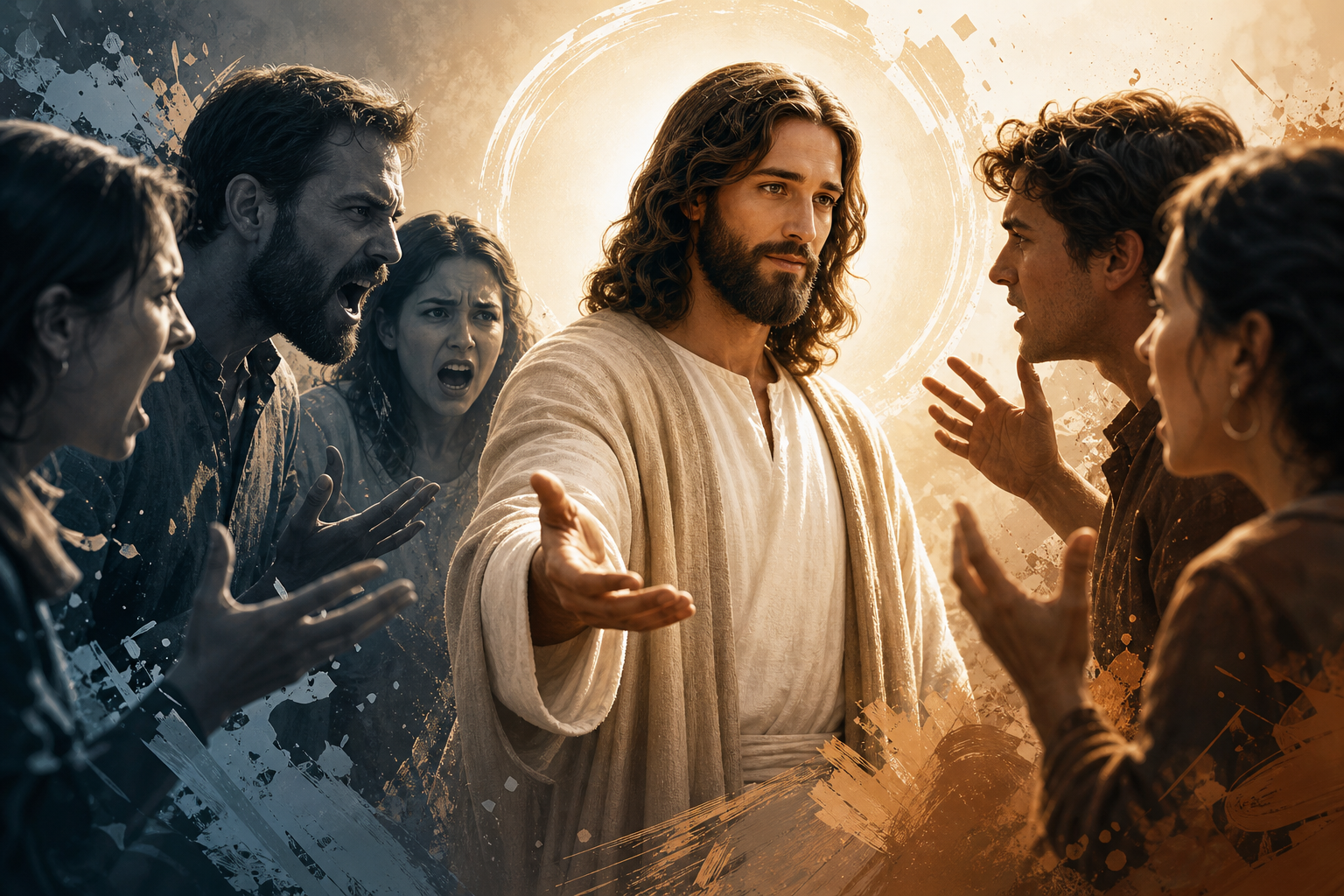
It’s a quiet Sunday night. You’re sorting through a stack of bills in the kitchen, checking your bank balance, and that tension in your chest just won’t quit.
If faith is supposed to bring peace, why does money keep you up at night? Trying to balance the urge to provide, the hope for more, and the fear of falling behind isn’t simple.
Even the people who walked with Jesus struggled with money worries and the tension between faith and finances.
Read through the Gospels and it jumps out—Jesus brings up money all the time. Nearly a third of His parables focus on finances, debts, lost coins, or investments. That’s more than most people realize.
Money is never just about dollars and cents. It shapes our choices, impacts our relationships, and often feels like it decides whether we can relax.
Jesus saw that money stress could cloud judgment and quietly pull our attention away from trusting God. That’s why so many of His stories were about everyday financial situations people actually faced.
I’ve noticed in small group discussions: conversations stay surface-level until someone admits they’re anxious about making rent or unsure how much to give. That’s when faith gets real. Jesus talked about money because it’s where belief and daily living collide.
Who’s Really Calling the Shots: God or Money?
Jesus spells it out bluntly: “You cannot serve God and money” (Matthew 6:24). He sets up a real choice.
Money isn’t neutral; it can pull your loyalty away from God if you let it. The real issue isn’t whether you have a fat savings account—it’s who gets to shape your priorities.
This tug-of-war doesn’t always show up in obvious ways. Sometimes it’s that tight feeling when bills arrive, or a flash of envy when a coworker gets a raise.
Other times, it’s quiet pride sneaking in as your bank balance grows, or the fear of losing status if your finances dip. Money can quietly shape how we see ourselves and the people around us.
Important tip: When you face a money decision, pause and ask, “Do I bring this to God first, or do I try to handle it all myself?” Your first instinct usually reveals which voice is steering your day.
Letting God lead doesn’t mean ignoring budgets or planning. It means deciding whose values guide your big choices—God’s, or whatever feels safest in the moment.
Treasures in Heaven: What Lasts and What Doesn’t
Jesus put it simply: “Where your treasure is, there your heart will be also” (Matthew 6:21). He urges people to focus on treasures in heaven instead of scrambling for more earthly wealth.
He isn’t saying money is evil. He’s making a point about perspective.
It’s easy to chase after raises, shiny stuff, or promotions. Those things feel good for a while.
But Jesus warns how quickly they can turn into new worries—what if you lose them, or they aren’t as satisfying as you hoped? Suddenly, the “what if?” never leaves your mind.
He contrasts this with investing in “heavenly treasures”: generosity, kindness, and compassion that don’t fade when your paycheck does. Using your resources to help others or support a bigger purpose brings a sense of meaning, not just momentary relief.
Look at Joseph of Arimathea, who used his wealth to honor Jesus’ burial, or the women who supported His ministry. The point wasn’t how much they gave, but that their money was a tool for something lasting.
Quick summary: When your spending matches your deepest values, money-related anxiety loses its grip. Small acts of generosity make a bigger difference than you imagine.
The Spiritual Dangers That Come With Wealth
Few things Jesus said are as sharp as this: “It is easier for a camel to go through the eye of a needle than for a rich person to enter the kingdom of God” (Mark 10:25). He doesn’t call wealth sinful, but He does warn about the spiritual risks.
Money can tempt us toward self-reliance, put our needs first, and distract us from what God is doing around us. The more comfortable life feels, the easier it is to forget our dependence on God or to look past the needs of others. I remember when I got a big promotion—suddenly, my prayers for “daily bread” faded, replaced by spreadsheets and budgets.
But Jesus also shows that wealth can be used for good. Supporters like Joseph of Arimathea and the women in Luke 8:3 used their resources to serve God’s work. What mattered was holding money with open hands instead of clinging tight.
That “eye of a needle” image is a wake-up call. Are we making room for God in our lives, or are we filling every space with our own plans and stuff?
Generosity, Stinginess, and What’s Happening in Your Heart
Jesus used the “good eye” and “bad eye” image in Matthew 6:22-23. A good eye looks for chances to give; a bad eye holds back and narrows your world to just yourself.
Generosity isn’t about giving huge amounts—it’s about your attitude. Are you giving out of love, or for how it looks? Are you holding back because you’re afraid, or are you willing to trust that God will provide?
A stingy attitude leads to isolation and dries up joy. Living generously, even in little ways, brings energy and connection.
I watched a friend quietly pay for someone else’s groceries at the store one afternoon. It wasn’t a big scene, but suddenly everyone around seemed to relax and smile.
Important tip: Build small acts of generosity into your week. Buy someone coffee, donate things you’re not using, or give your time to listen. These habits slowly change how you approach money and people.
When Jesus talks about real wealth, He isn’t measuring your net worth. He cares about things like love, compassion, and humility—qualities that last when everything else is gone. The kind of riches that matter are found in relationships, acts of kindness, and the quiet confidence that comes from knowing you’re part of something bigger.
He keeps coming back to the idea of letting go of attachment to stuff—not because having things is wrong, but because spiritual values last. Kindness and humility don’t lose value and can’t be stolen. They actually grow as you give them away.
If you’ve ever helped someone just because you could, you’ve tasted this kind of wealth. The joy lasts far longer than any new gadget or year-end bonus.
Quick summary: Shifting your focus to spiritual priorities—rather than just gathering more things—frees you to enjoy what you have and to give it away without fear.
Letting Go of Money Anxiety—Trusting God With Your Needs
One of Jesus’ most down-to-earth and comforting teachings comes in the Sermon on the Mount (Matthew 6:25-34). He tells people not to worry about what they’ll eat, wear, or need tomorrow, because God knows and cares for them.
Worry about money is common, especially when expenses outpace income. Jesus doesn’t shame anyone for feeling anxious.
Instead, He invites trust. Birds don’t have bank accounts, but they find food.
Wildflowers don’t shop, but they’re beautiful.
From my own experience, the times I stopped obsessing over “how” the bills would get paid and just did the next right thing, some kind of help always showed up. Sometimes it was a new job lead, other times a friend’s help, or simply the strength to make it through.
Important tip: When you catch yourself spiraling into worry, take a breath and remember a moment when your needs were met in an unexpected way. Noticing those moments helps build trust for tomorrow.
Living out Jesus’ teachings about money isn’t about feeling guilty or pretending you have it all together. It means being honest about your motives and taking practical steps.
Ask yourself: What am I chasing with my spending or saving? Are my money habits in line with what I say matters most?
Where do I hold back generosity because I’m afraid?
Start somewhere small. Choose a part of your income—any amount—and give it away.
Pay attention to how it changes your outlook and stress level. Make choices that put people and kindness first, not just accumulating more.
Bring someone you trust into the conversation; having a friend or group makes it easier to stick with new habits.
If you feel stuck between worry and wanting more, know that Jesus met people right in that space. He offered direction, not shame. His way leads to freedom, not more pressure.
How are your own money habits shaping your peace of mind or your spiritual life these days? What’s one step you could experiment with this week to bring Jesus’ wisdom into your finances?
Disclaimer: This article is for spiritual discussion only and does not offer financial or investment advice. Please consult a qualified professional about your personal financial decisions.