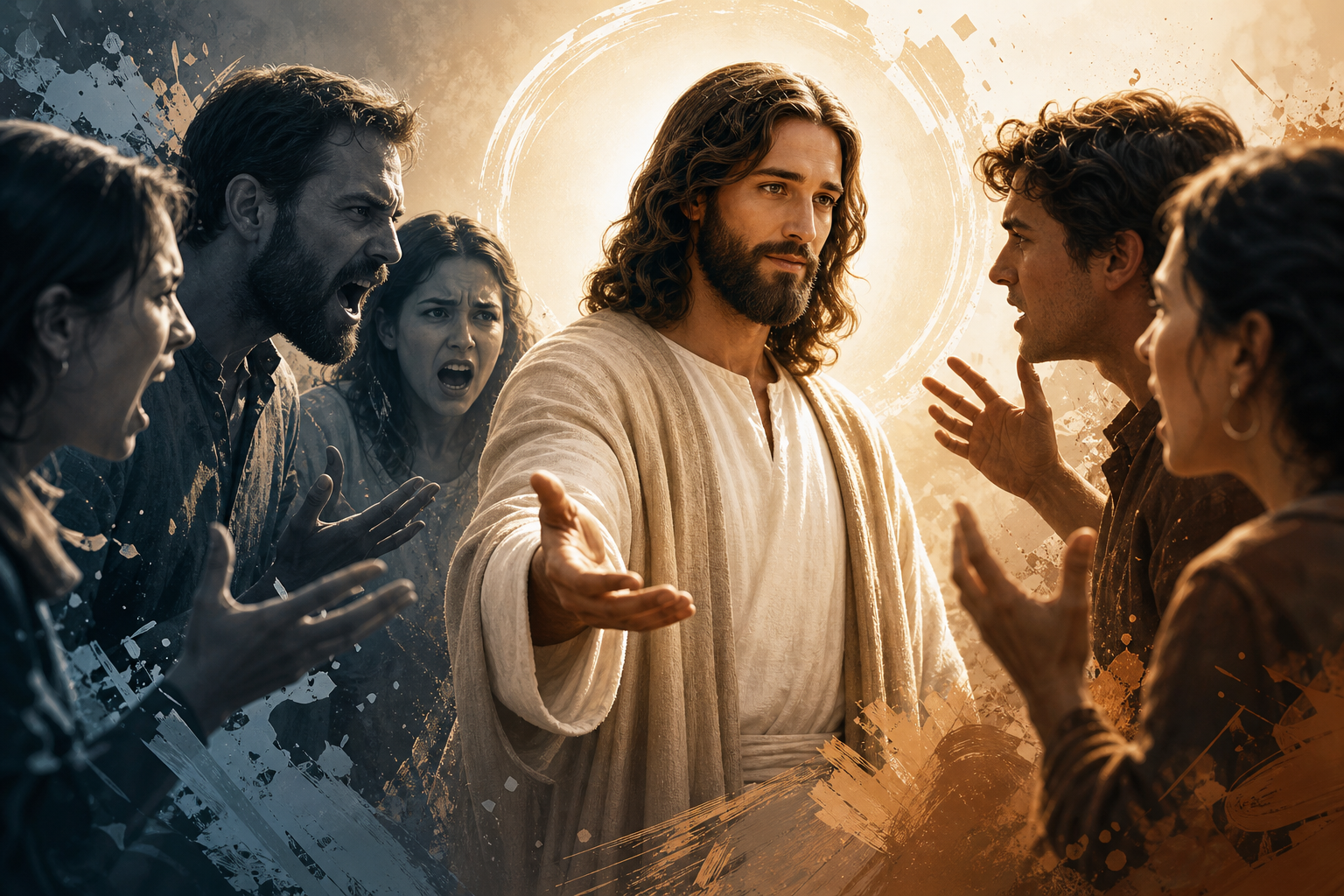
There’s a particular sting when someone you trust lets you down. Maybe it was a friend who broke your confidence, a relative who disappointed you, or even a stranger whose words cut deep.
We’ve all heard the talk about forgiveness—quoted from sermons, splashed across social media, maybe even handed out as advice. But when you’re right in the middle of it, forgiveness can feel less like a gentle act and more like trying to push a boulder uphill.
Jesus’ teachings on forgiveness are some of the most surprising and challenging in the Bible. They’re also deeply freeing, but that freedom only really shows up when you try it out with real people and real wounds.
Forgiving Others and Receiving Forgiveness from God
Jesus’ words about forgiveness in the Lord’s Prayer aren’t easy to swallow. He says, “If you forgive others their sins, your Father in heaven will forgive you. But if you don’t forgive others, your Father won’t forgive your sins” (Matthew 6:14‑15).
He doesn’t sugarcoat it; it’s blunt and direct.
This isn’t just a spiritual suggestion. Jesus ties our willingness to forgive directly to our own experience of God’s forgiveness.
Holding on to resentment doesn’t just hurt your relationship with another person—it can close you off from the forgiveness you’re hoping to receive. The idea that bitterness can block the very mercy we ask for is sobering.
I remember a moment in a small group when someone shared about a fight with their sibling that had never been resolved. They wanted to feel close to God but kept running into a wall whenever they tried to pray.
Things only shifted after an honest conversation and a real attempt to forgive. The weight finally started to lift.
Jesus wasn’t trying to threaten us with exclusion; he was pointing out how unforgiveness creates barriers inside ourselves.
The Call to Unlimited Forgiveness
Peter was the one who tried to get specifics: “How many times should I forgive my brother? Up to seven times?” He probably thought he was being pretty generous. Jesus replied, “Not seven times, but seventy times seven” (Matthew 18:21‑22).
He wasn’t giving a math problem. The point is that forgiveness isn’t a scorecard where you punch out after a certain number. We’re called to keep forgiving, even when the hurt repeats or the other person doesn’t change as quickly as we want.
That’s no small thing. Maybe you’re dealing with someone who keeps making the same mistake, or old wounds resurface at family gatherings.
Unlimited forgiveness doesn’t mean pretending nothing happened or letting people treat you however they want. It means refusing to let anger settle in your heart, even if you need to set healthy boundaries for yourself.
Dica importante: Unlimited forgiveness doesn’t mean unlimited trust. You can choose to forgive and still take steps to protect yourself if someone keeps hurting you.
Nowhere does forgiveness seem harder than in Jesus’ own words from the cross. While being crucified, he prayed, “Father, forgive them, for they know not what they do” (Luke 23:34). He offered forgiveness to people who weren’t asking for it, in the middle of his own suffering.
If you’ve ever been deeply hurt, those words can feel impossible. How do you forgive when someone isn’t sorry, or when the pain is still fresh?
Jesus’ prayer wasn’t just a dramatic moment—it was real compassion. He recognized that people often don’t grasp the harm they cause.
There have been times when forgiveness felt out of reach for me. After a falling out with a close friend, I found myself replaying every argument in my head.
I wasn’t ready to make peace, but I started by asking God to help me see them differently—not as an enemy, but as another flawed human who needs grace, just like I do. That didn’t erase the hurt, but it loosened my grip on anger.
The Parable That Warns About Withholding Forgiveness
Jesus once told a story about a servant who owed a king a debt far too large to ever repay. The king forgave him, but that same servant refused to forgive someone who owed him a much smaller amount.
When the king found out, he was furious and took back his forgiveness. This is known as the Parable of the Unforgiving Servant (Matthew 18:23‑35), and it cuts to the heart for anyone who struggles to let go.
The lesson is clear, but it isn’t easy: if we hold on to bitterness after being forgiven so much ourselves, we cut off the flow of mercy we’re meant to share. We can end up trapped by our own refusal to let others off the hook, even while we’re asking God for grace.
I’ve seen this happen in families, where old grudges quietly shape every holiday and conversation. The parable isn’t just about ancient times—it’s a mirror. It shows how quickly we can demand repayment from others while forgetting the mercy we’ve received.
Resumo rápido: Holding onto bitterness doesn’t just affect the other person—it hardens your own heart and can rob you of peace, joy, and spiritual freedom.
Is Forgiveness Always Required? Conditional vs. Unconditional Forgiveness
There’s real debate among Christians about whether forgiveness should always be given, or only after someone shows regret. Some writers, like those at Desiring God, note that Jesus sometimes described forgiveness as following repentance—when someone admits they were wrong.
Others look at Jesus on the cross and believe he calls us to forgive freely, even if the other person never apologizes or changes. This isn’t just a theological debate—it’s something people face in real life all the time.
What if the person who hurt you won’t admit it? Are you supposed to forgive anyway?
From my own experience, both perspectives matter. Sometimes, it makes sense to be honest about the hurt and wait for the other person to take responsibility.
Other times, letting go of anger—regardless of what they do—can bring relief, even if the relationship doesn’t return to normal. There’s no simple answer, but working through this question is part of learning to forgive like Jesus.
Dica importante: If you’re unsure whether to forgive before someone repents, start by asking God for strength to let go of resentment. Even if reconciliation isn’t possible, you don’t have to let bitterness control you.
What Forgiveness Looks Like in Everyday Life
Forgiveness is rarely a single moment. More often, it’s a slow process of choosing—sometimes awkwardly—to let go a bit at a time. In real life, it might look like deciding not to replay the hurt every night, or not trash-talking the person who wronged you, even when you feel justified.
One step that’s helped me: writing a letter I never send, getting out everything I wish I could say. Other times, I pray for the person—not because they’ve earned it, but because I need to stop carrying the weight myself.
Sometimes, forgiveness is as simple as pausing before you react, choosing not to get even, or asking God to make you willing to forgive, even if you’re not there yet.
For me, things often shift when I stop counting everything I lost and start remembering the grace I’ve received. When I’m honest about how much I’ve needed forgiveness, it becomes a little easier to extend it to others.
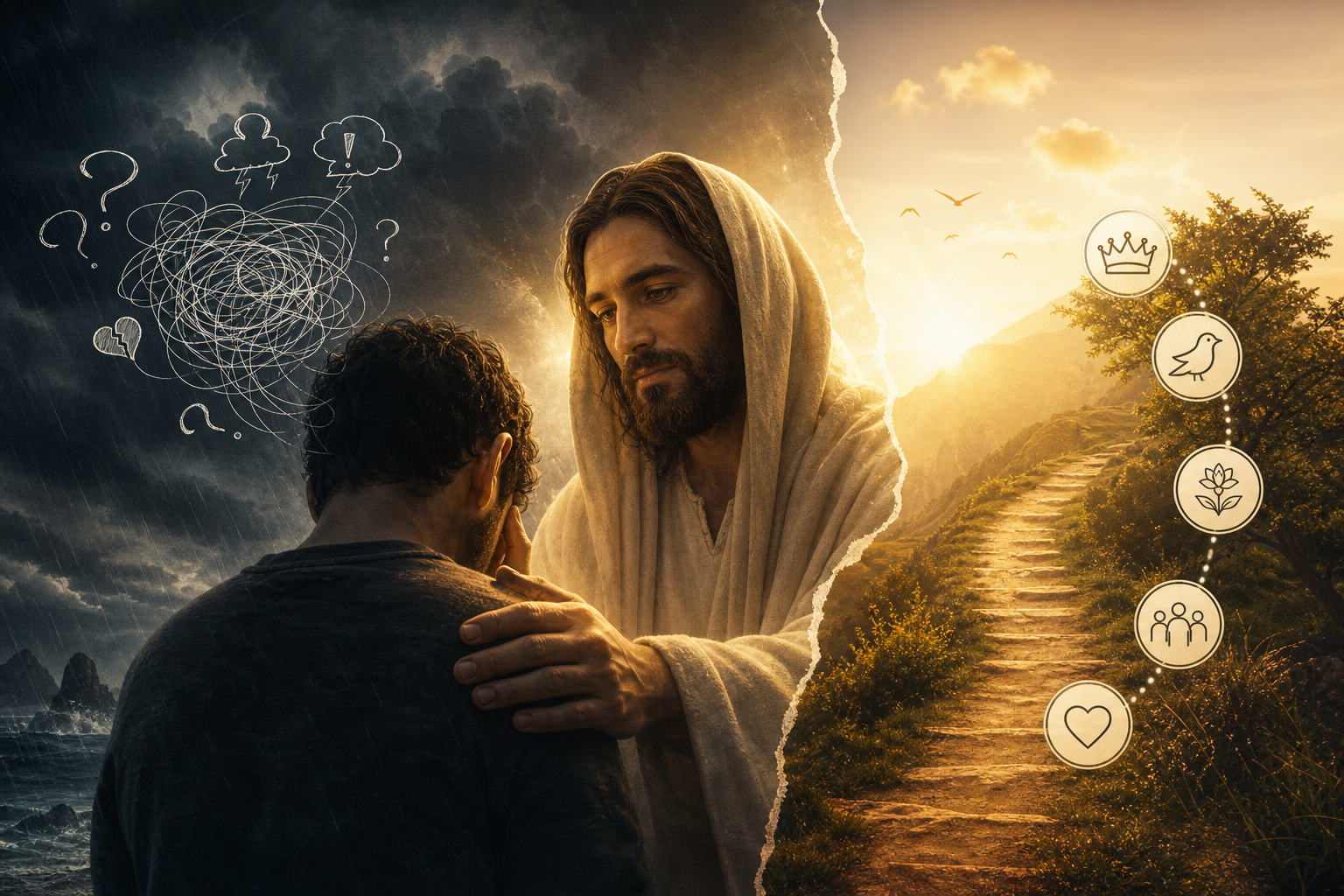
Forgiveness doesn’t erase what happened or mean that trust will magically return. But it does open the door to healing—for you, and sometimes for the other person too.
The freedom Jesus describes isn’t just for those who get it right on the first try. It’s for anyone willing to take a small step toward letting go, even if the path is long.
Have you ever found yourself standing at the edge of forgiveness, wondering if you could take that step? What made it possible for you to move forward, or what’s still keeping you stuck?
Disclaimer: This article is for informational and spiritual reflection only and does not replace counseling or professional advice for complex or traumatic situations.